Nikopolis was built on the Preveza peninsula by Octavian (Augustus) after his victory at the naval battle of Actium against Antony and Cleopatra (31 BC). It was the first Roman colony in Greece, and its first inhabitants were neighbouring peoples forcibly merged from the Epirot cities, Aitoloakarnania and Lefkada.
The city enjoyed special political and economic privileges, had its own mint, and each year held the Aktia Games, with athletic, musical and equestrian events. Through its three ports on the Ambracian Gulf and the Ionian Sea it controlled trade between the north-western coasts and Rome, Egypt and Asia. Augustus's grandson Germanicus wore the toga of consul here, St Paul preached here, and Epictetus founded his philosophical school in the city.
Pillaged repeatedly by Goths, Visigoths, Vandals and Bulgarians, the city declined from the late 9th/early 10th century, having survived for around a thousand years and negotiated the passage from Roman to Byzantine culture.
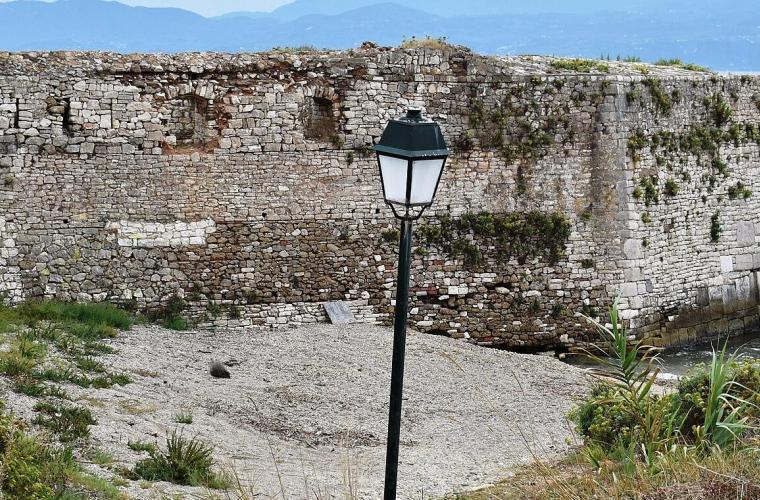
Roman Nikopolis was laid out on the Hippodamean plan, with a theatre, odeon, stadium, baths, gymnasia, temples and a central nymphaion. Its principal monuments include the Odeon, the Monument of Augustus (dedicated to Ares, Poseidon and Apollo Actius), the Theatre, the Nymphaion and the Roman baths, together with the great Early Christian basilicas (A-F) with their mosaic floors and the Byzantine inner walls. Finds are displayed in the Nikopolis Museum.
The monuments of Nikopolis
- The Odeon (1st c. AD) and the Theatre with its two-storey stage.
- The Monument of Augustus (31 BC), dedicated to Ares, Poseidon and Apollo.
- The Nymphaion, the Baths (Bentenia) and Roman villas with mosaics.
- The Early Christian Basilicas A–F (5th–6th c.) with superb mosaic floors.
- The Nikopolis Archaeological Museum: funerary lion, marble Athena (Roman copy), Assos-type sarcophagus.