The name Parga evolved from the city's ancient name (Parageiros, Paragaia, Ypargos). Built by Constantinopolitans, it is mentioned in the 12th century as one of the most important Epirot cities. Finds such as a Neolithic hand-axe, a Mycenean tholos tomb and cist graves testify to human activity in the area since antiquity.
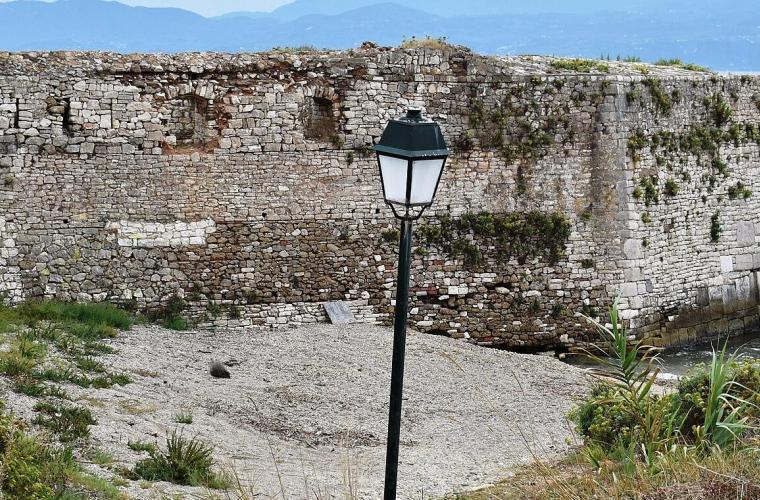
To avoid Ottoman capture, the Pargians signed a treaty with the Republic of Venice in 1401, making Parga an autonomous Venetian possession. Its castle, built around 1380, was repeatedly destroyed and rebuilt, and so well reinforced by the Venetians in 1792 that it remained impenetrable until 1819, when the population abandoned the city after the British had handed it to Ali Pasha, who turned the castle into his harem.
In a dramatic exodus on Good Friday 1819, the inhabitants burnt their dead and fled to Corfu. Parga was liberated and annexed to the Greek state on 23 February 1913; in 1930 the sacred relics were returned from Corfu on board the ship Elly. Worth seeing today are the mid-14th-century Castle, the French castle on the islet with its church of the Panayia, the Mycenean tomb near Kyperi, and Vlachernon Monastery, which houses the relics of Parga.